INTRODUCTION
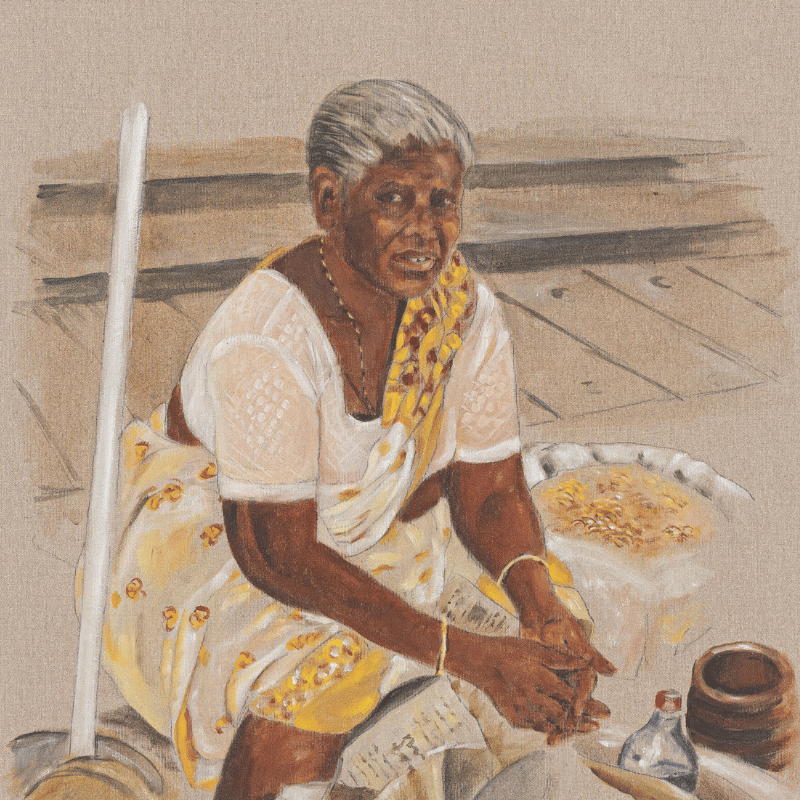
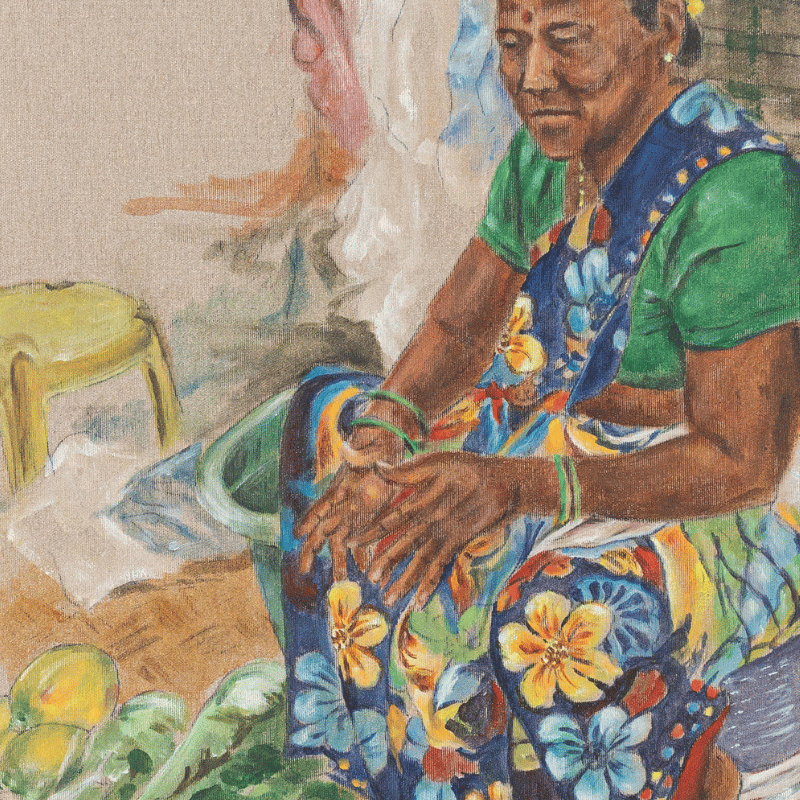
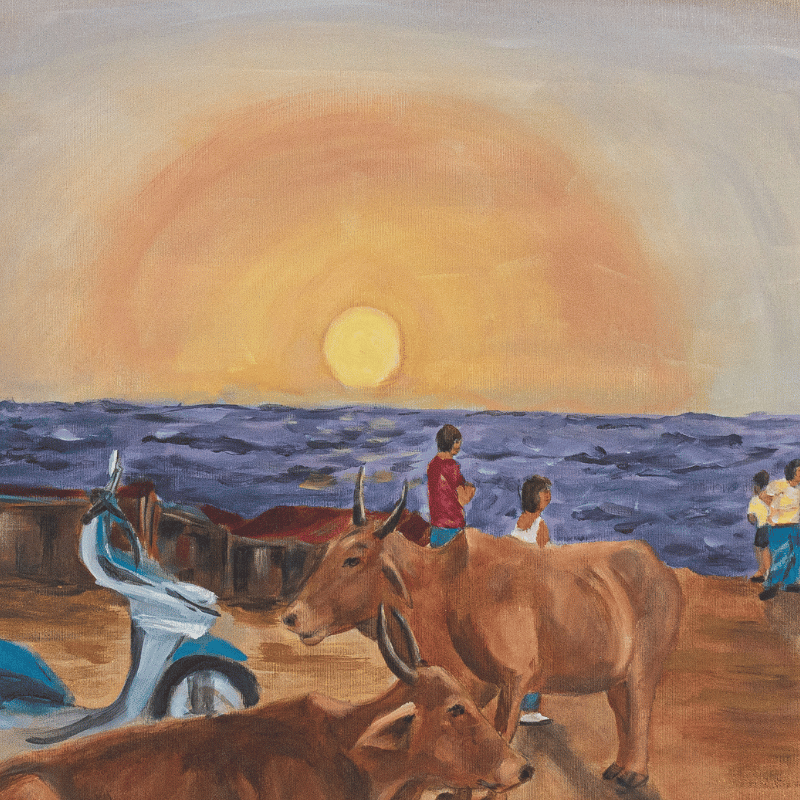
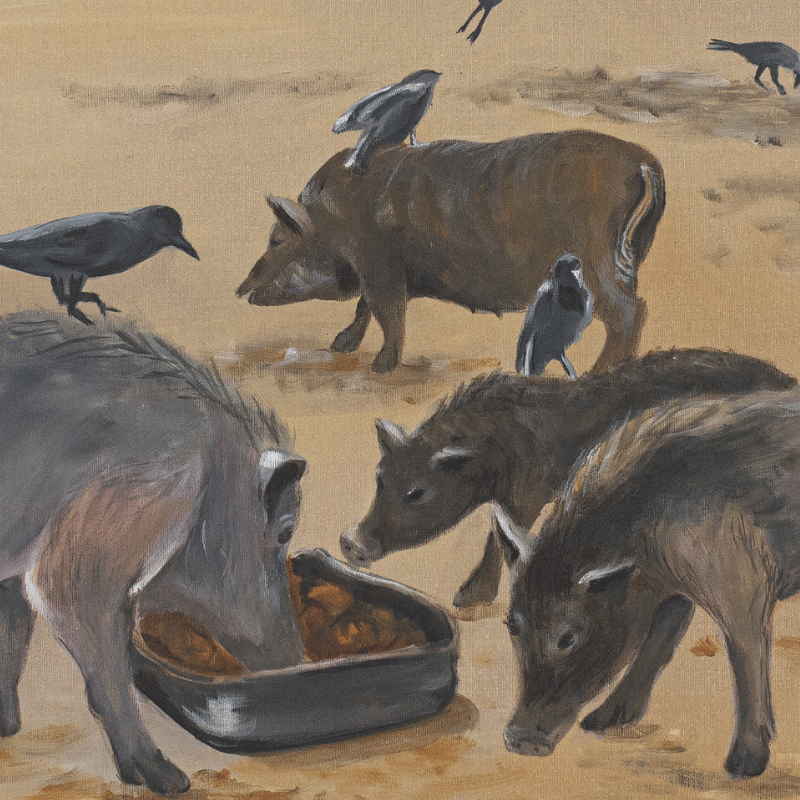
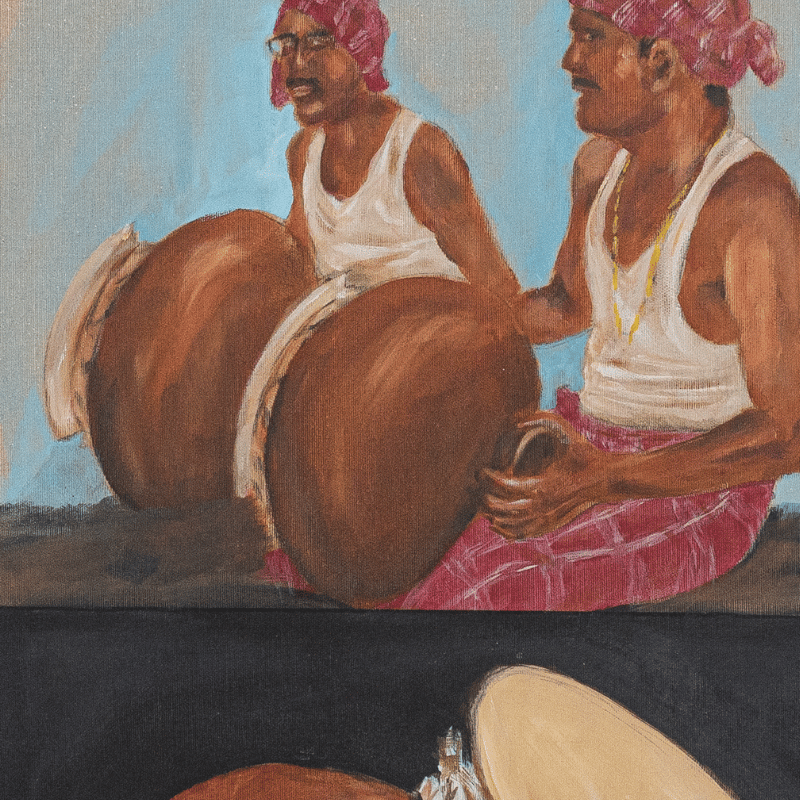
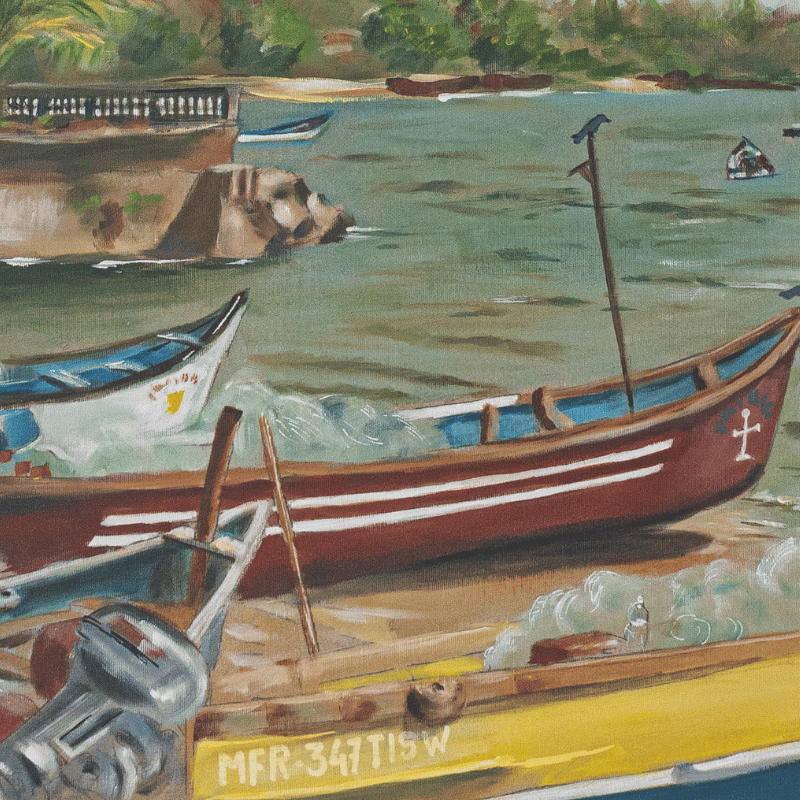
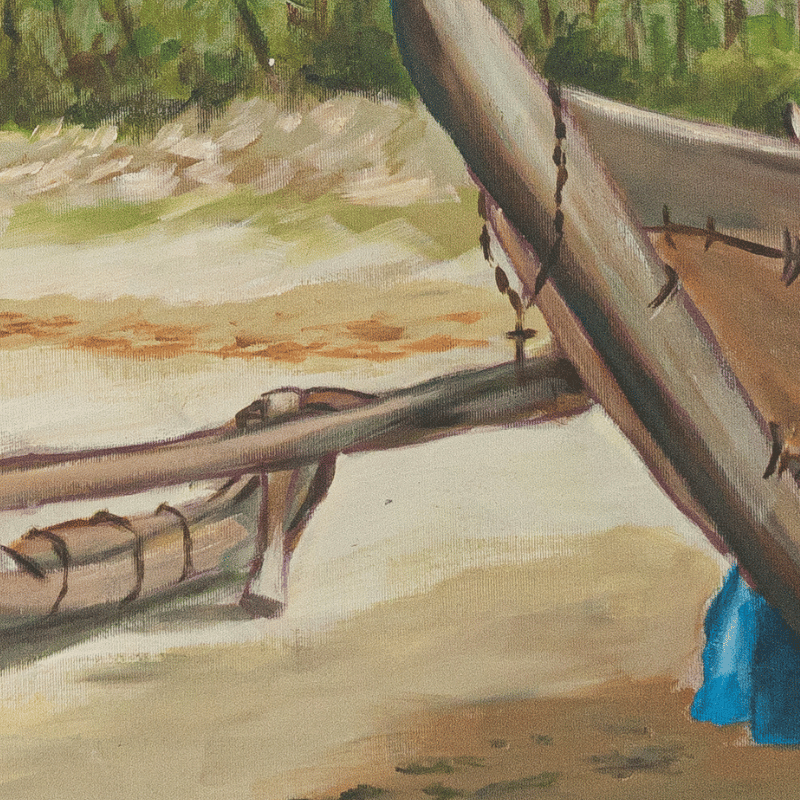
This series of paintings was created in homage to Goa and its culture. Although Dino only discovered Goa at the age of 44, this land represents his roots—on both his mother's and father's sides. It was a revelation for him to realize how much of Goa lived within him, recognizing the richness of its local culture, which he sought to share through figurative representation, highlighting the particular aspects he found most meaningful and unique.
Susegad was the word that touched him most deeply, encapsulating the essence of this culture. “All is well” is a Goan way of being and looking at life. In this exhibition, Dino pays tribute to all lovers of optimism—those who respect the rhythm of nature and live in harmony.
The choice of Susegad as the title of this exhibition contains an interesting contradiction. On the one hand, it signifies that João, now freed from his professional activities mainly in management, finds in Dino his place of happiness and fulfillment through art. However, by choosing art as a form of personal expression and as an instrument of dedication and affection, he also embraced the “unrest” it brings—a characteristic of the constant search for paths that lead to others and still more paths—this territory of unrest, because it reveals the self in its entirety. It is also in this unsettled truth that its power lies: freedom, the strength of creation, the transformation of consciousness.
But art didn’t suddenly come to Dino—it was always within him, with Goa persistently peeking over his shoulder, waiting for the conditions for materialization, waiting for the trigger that only fires in those who seek that desire to fill life with meaning and to share it generously with others.
Dino’s work reflects the sensitive memory of experiences felt since childhood. This series of paintings about Goa revisits and reincarnates the imagery that remained in our perception/memory from a surprising journey to Goa—a personal vision experienced through the senses and filtered by time, which expands the inner landscape—projections of a life deeply felt. These are narrative sequences that rescue memories and guide our attention to objects of perception, in a fusion of the objective and the subjective. They are dense images of landscapes and the people who inhabit them—formal explorations with unexpected chromatic combinations, in a repertoire where mimesis merges with expressiveness in the realm of painting techniques.
Constança Vasconcelos Associate Professor at ULHT